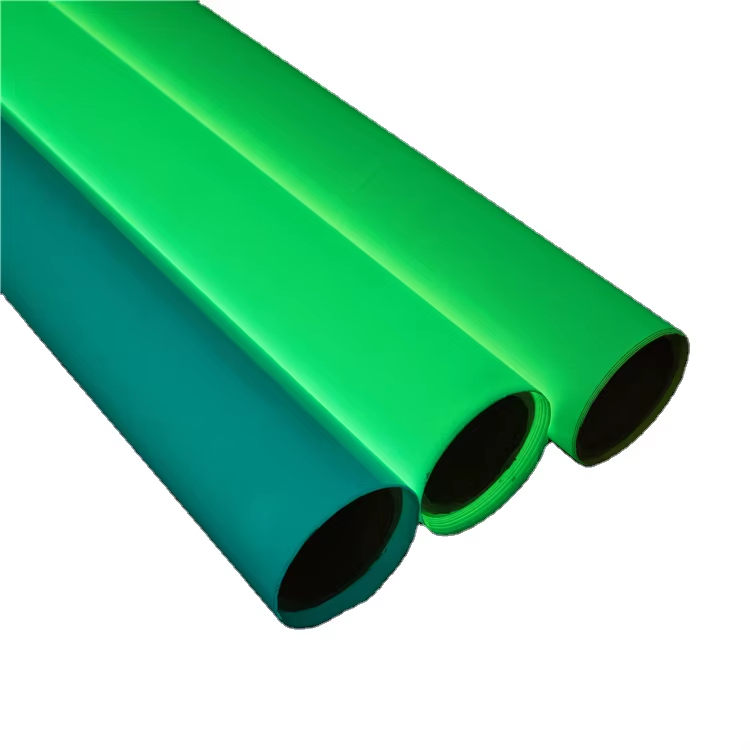
What Is Luminous Material and How Does It Glow? Picture a hospital corridor during a sudden blackout—total darkness, no backup generator yet firing. But the floor path markers and wall strips continue to emit a soft green glow, guiding staff ...
VIEW MORE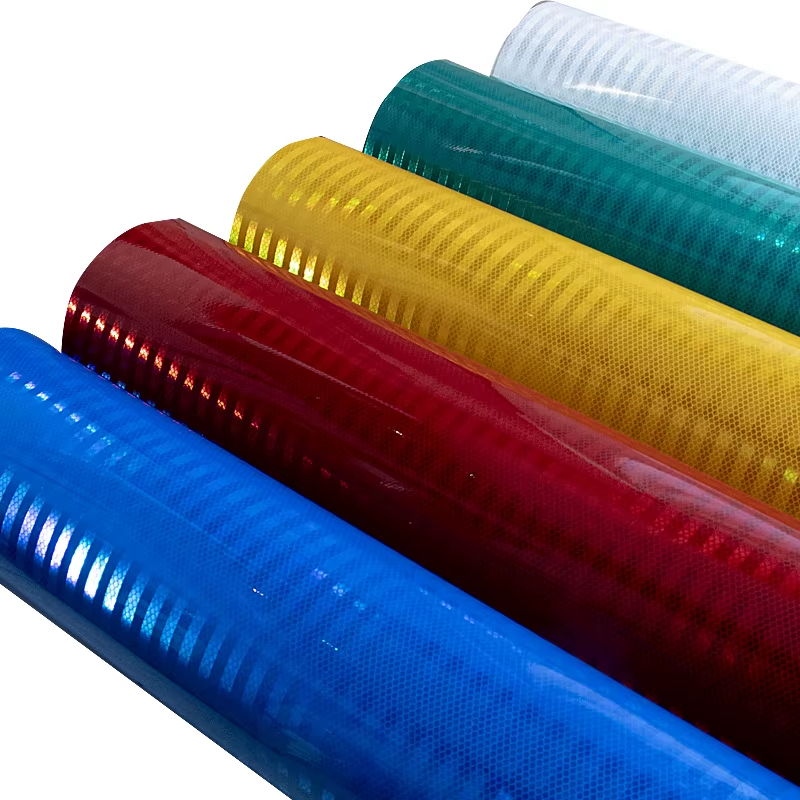
The Measurable Decline of Retroreflective Brightness and What Controls It Every traffic sign starts bright and slowly dims. The question procurement managers and highway engineers ask is not whether reflective material loses brightness — it d...
VIEW MORE
Selecting Highway-Grade Reflective Roll Based on Road Classification and Performance Standards Highway agencies do not buy reflective roll by brand preference — they buy by performance specification. A Type I engineer-grade sheet that serves ...
VIEW MORE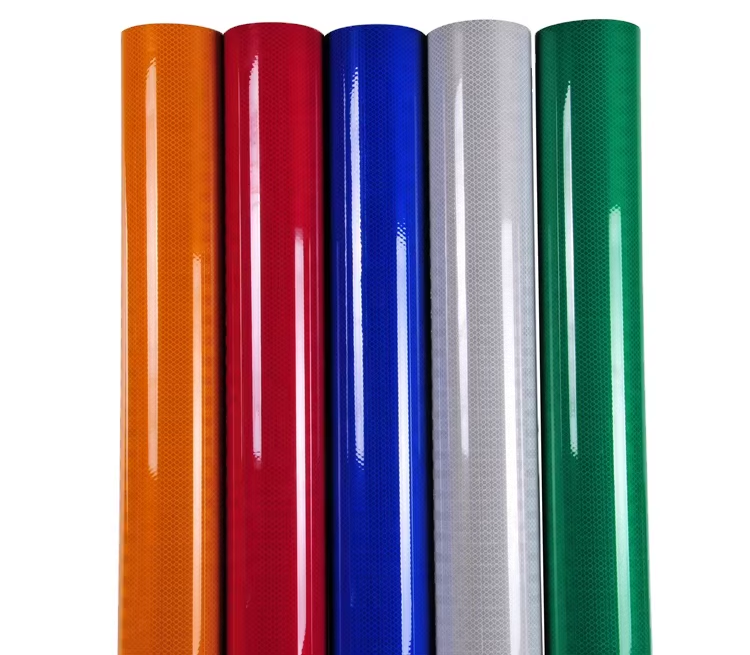
Preserving Retroreflective Performance Through Correct Reflective Roll Storage A reflective roll sitting in a warehouse corner represents invested capital — and its value erodes with every degree of temperature fluctuation and every percentag...
VIEW MORE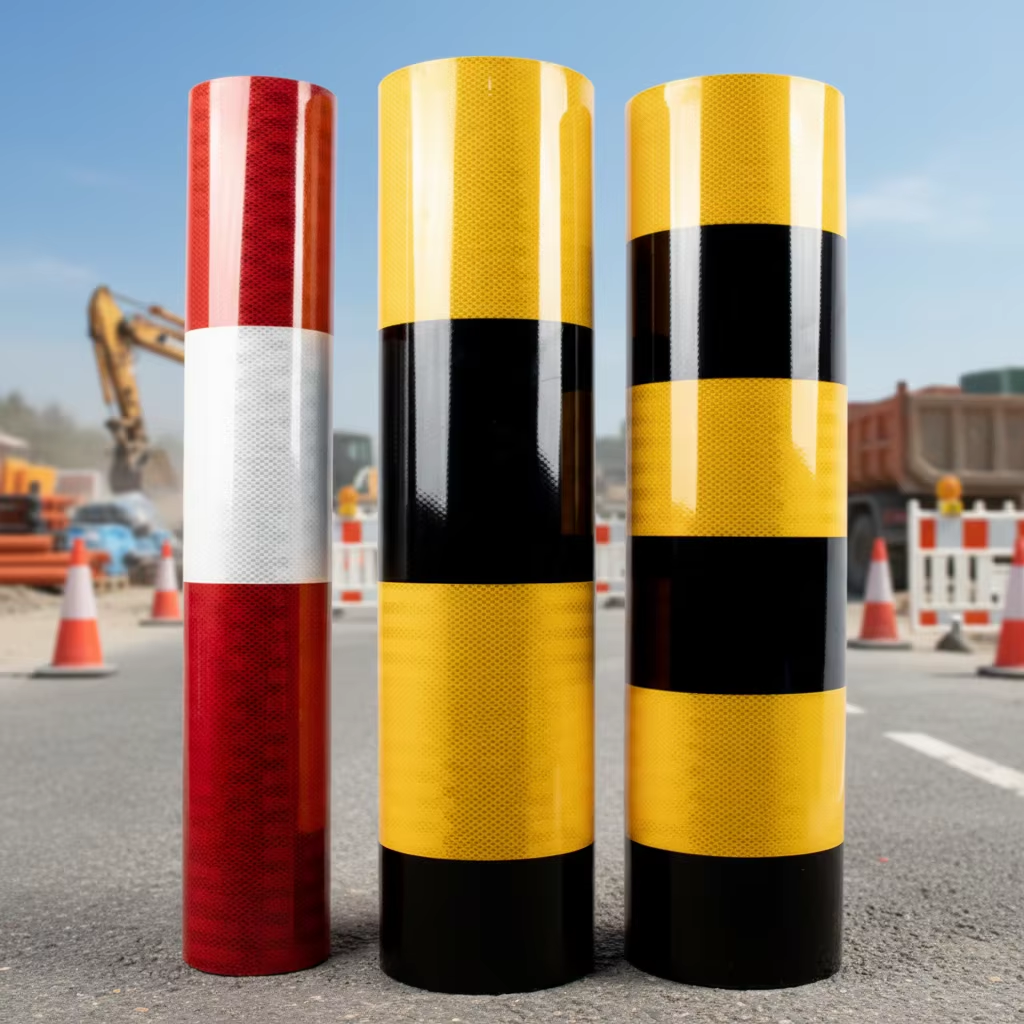
Applying Wide-Format Reflective Material to Oversized Signage Projects Road authorities specifying directional signs for multi-lane expressways face a material logistics question: can a single reflective roll cover a sign panel measuring 3 meters w...
VIEW MORE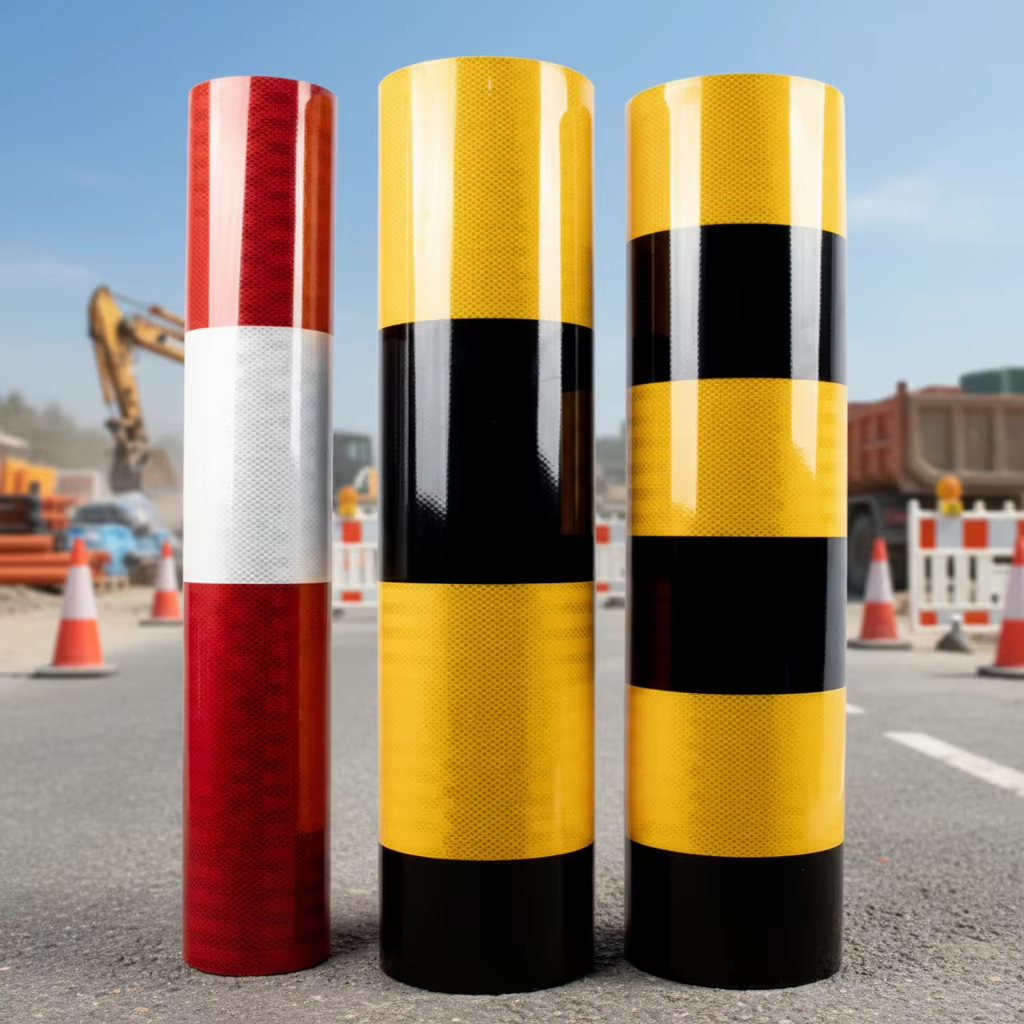
Is Reflective Sheeting Roll Easy to Cut and Process? A reflective roll arriving at a sign shop represents both opportunity and a fabrication challenge. The material must be cut cleanly without delamination, edge cracking, or loss of retroreflective...
VIEW MORE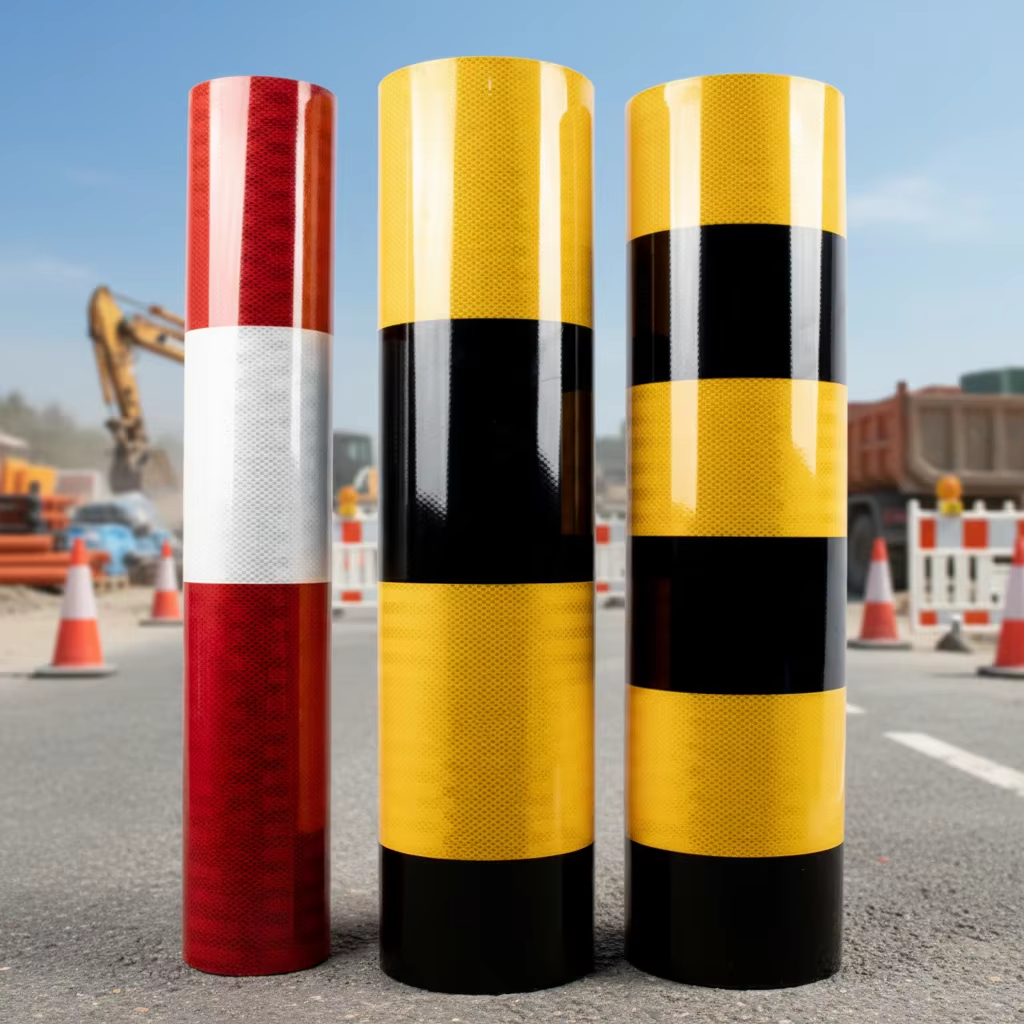
The Physics of Traffic Sign Visibility A traffic sign saves lives only when seen in time for driver reaction. At 60 mph, a vehicle covers 88 feet per second. The difference between a sign visible at 800 feet and one visible at 400 feet is 4.5 secon...
VIEW MORE
The Standard Traffic Sign Shape System A traffic sign communicates before the driver reads a single word. Shape is the first signal: an octagon says “stop” at 200 meters before letters are legible. A triangle pointing downward...
VIEW MORE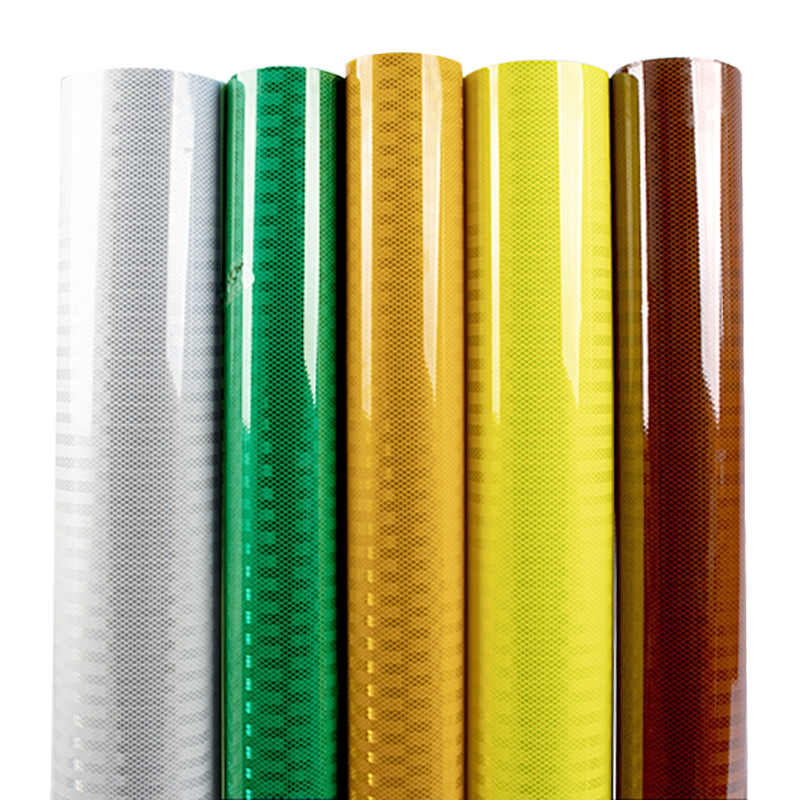
Why Traffic Sign Maintenance Matters A traffic sign that looks perfectly legible at noon can become nearly invisible at midnight. The difference is retroreflectivity — the ability of sign sheeting to return headlamp light toward the...
VIEW MORE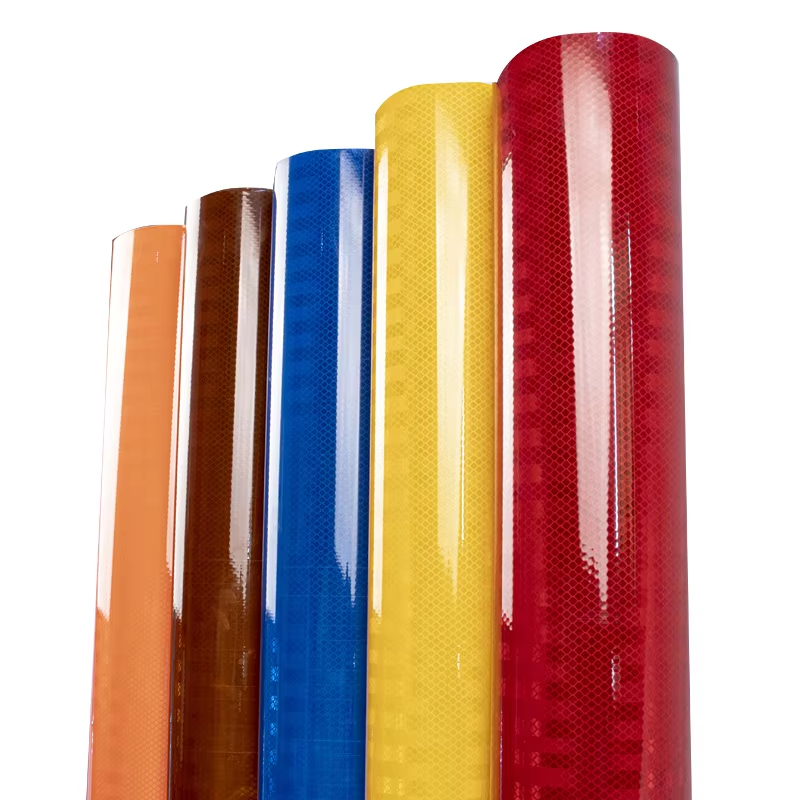
A traffic sign hanging above a motorway or standing at a city intersection performs a task that no other road furniture replicates: it communicates critical information in fractions of a second, at night, in rain, and at highway speeds. W...
VIEW MORE
Identifying Retroreflective Vulnerabilities and Traffic Safety Hazards The Impact of Poor Nighttime Visibility on Infrastructure Safety Ensuring uniform safety across public transport corridors requires a proactive approach to identifying infrastruct...
VIEW MORE
How Glow-in-the-Dark Performance Is Measured: Luminance, Decay, and Real-World VisibilityInitial Brightness and Luminance Decay: Why 0.06 ft-L at 10 Minutes Is the Minimum for Safe EgressGlow-in-the-dark safety signage relies on photoluminescent tech...
VIEW MORE
Fujian Sanhao Technology provides high-performance reflective sheeting for road traffic signs and vehicle conspicuity. ISO 9001, ECE 104R, EN ISO 20471 certified. 25+ years R&D expertise. Request a quote today.
Qiaosheng road,26th, Nanxiamei Town,Chendai,Jinjiang,Quanzhou,Fujian,China
Copyright © 2026 by Fujian Sanhao Technology Co., Ltd. Privacy Policy
 EN
EN