
 EN
EN
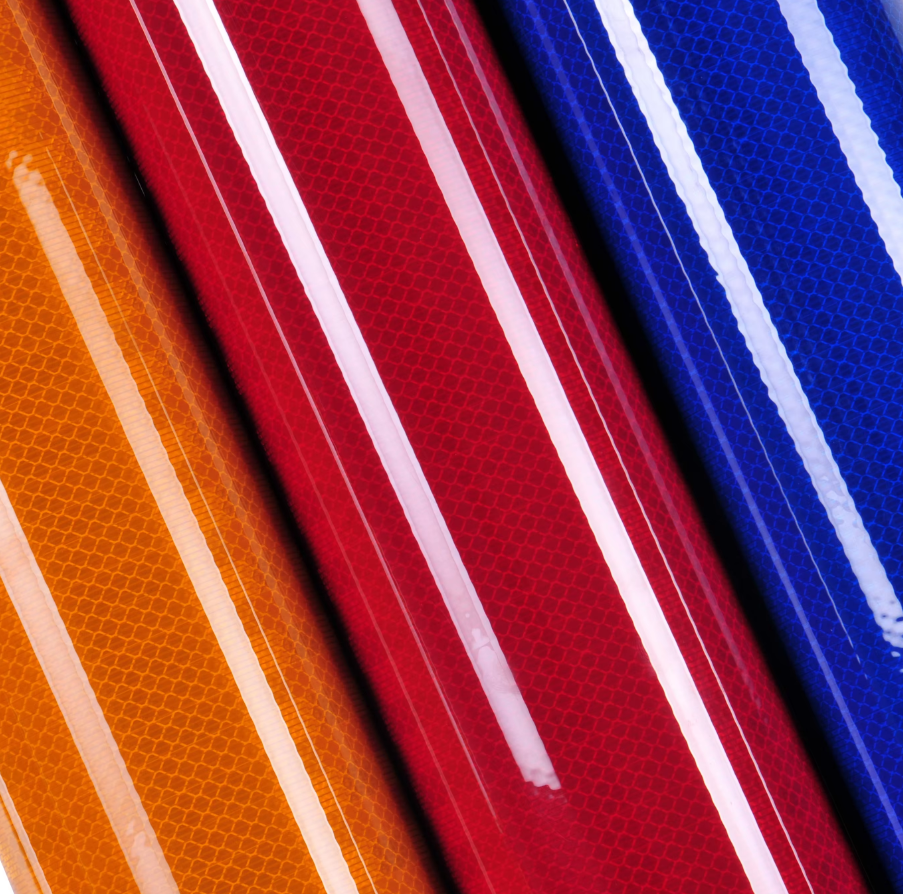
The Standard Traffic Sign Shape System
A traffic sign communicates before the driver reads a single word. Shape is the first signal: an octagon says “stop” at 200 meters before letters are legible. A triangle pointing downward says “yield.” A circle signals “railroad crossing ahead.” This shape-language system — standardized in the US by the MUTCD and internationally by the Vienna Convention — is one of the most successful examples of universal visual communication in the built environment.
What Each Shape Communicates Before the Text Is Read
An octagonal traffic sign is reserved exclusively for stop signs. An inverted equilateral triangle signals yield. A diamond warns of hazards — curves, intersections, pedestrian crossings. A horizontal rectangle provides regulatory information (speed limits) and guide information (destination distances). A vertical rectangle serves regulatory purposes where horizontal is impractical. A circle warns of railroad crossings. A pentagon marks school zones. Each shape carries decades of learned association; changing a shape undoes that recognition.
Real-World Case — A City Orders Custom Wayfinding Signs
A Texas city needed 120 wayfinding traffic sign panels directing visitors to a convention center, historic district, and municipal parking. The standard rectangular guide sign format was MUTCD-required, but the city wanted a custom navy-blue background with white lettering to create a distinct visual identity for the downtown district, and requested non-standard sign widths for bilingual English-Spanish legends. The manufacturer — using reflective sheeting from Ultrareflect, a specialist in reflective materials manufacturing — produced the signs with custom color and dimensions while maintaining MUTCD-compliant rectangular shape, letter height, and retroreflectivity. The navy-blue color required FHWA approval because it is not a standard MUTCD guide sign background color, but approval was granted for the signs’ function as supplemental wayfinding elements rather than primary regulatory devices.
Shape Customization Boundaries Under MUTCD
Preserved Shapes vs. Shapes Allowing Variation
Custom traffic sign shapes are permitted within strict boundaries. Regulatory signs — stop, yield, speed limit — must use their prescribed shapes without deviation; the octagon for stop is federally mandated. Warning signs require the diamond shape, though rectangular warning signs are permitted in specific applications like work zones. Guide signs — the green, blue, or brown rectangles — offer the greatest shape flexibility. Municipal wayfinding, recreational, and informational signs can use custom shapes — circular, oval, shield-shaped, or custom die-cut silhouettes — provided the shape does not create confusion with a standard regulatory or warning shape. A custom oval guide sign is acceptable; a custom octagonal guide sign is not.
Reflective Material Compatibility with Custom Shapes
Cutting, Edge Sealing, and Retroreflectivity on Non-Standard Profiles
A custom-shaped traffic sign requires reflective sheeting cut to the same profile and applied without wrinkles, bubbles, or edge lifting. Microprismatic sheeting on tight-radius curves requires heat and pressure application to conform without micro-cracking the prismatic layer. Edge sealing prevents moisture ingress between sheeting and the aluminum substrate. Retroreflectivity must meet ASTM D4956 standards across the entire sign face regardless of shape complexity.
The Custom Traffic Sign Design Process
Five Steps from Concept to Compliant Sign
First, define the sign’s function — regulatory, warning, or guide — because function determines applicable shape rules. Second, check MUTCD for shape restrictions. Third, design the layout with compliant letter heights, stroke widths, and color contrast. Fourth, specify reflective sheeting type — engineering grade, high-intensity prismatic, or diamond grade — based on road classification and visibility distance. Fifth, request a pre-production sample and verify retroreflectivity before full production. Ultrareflect provides the reflective materials that make custom-shaped traffic sign products perform in all-weather, all-light conditions.
Frequently Asked Questions
Can traffic signs be customized in shape?
Yes, some traffic sign types can be customized — primarily guide and informational signs. Regulatory signs must use prescribed shapes. Warning signs generally require the diamond. Ultrareflect supplies reflective sheeting compatible with custom die-cut shapes.
Why do different traffic signs have different shapes?
Traffic sign shapes are standardized so that drivers instantly recognize sign type — stop, yield, warning, regulatory, guide — at a distance before any text is legible. This shape-language system is codified in the US by the MUTCD (Manual on Uniform Traffic Control Devices) and internationally by the Vienna Convention on Road Signs and Signals, ensuring consistent driver recognition across jurisdictions.
What reflective materials are used on custom-shaped signs?
Custom traffic sign faces use microprismatic or glass-bead reflective sheeting meeting ASTM D4956. Microprismatic provides the highest retroreflectivity but requires heat application to conform to curved profiles.
Can a custom-shaped sign use non-standard colors?
Guide and informational signs can use custom colors with road authority approval. Regulatory and warning traffic sign colors — red for stop, yellow for warning — are MUTCD-mandated and cannot change.
What is the minimum retroreflectivity for traffic signs?
ASTM D4956 specifies minimum retroreflectivity values by sheeting type and color. Type III high-intensity prismatic sheeting requires approximately 250 cd/lx/m² for white sheeting and proportionally lower values for colored sheeting. Every traffic sign must maintain these minimum levels across its entire face regardless of shape complexity — a critical quality requirement for custom-shaped signs where uniform sheeting application is more demanding than on standard rectangles.
How long do custom traffic signs last outdoors?
A properly fabricated traffic sign with microprismatic sheeting on aluminum with edge sealing lasts 10 to 15 years outdoors. Engineering-grade sheeting has a shorter service life of 7 to 10 years before retroreflectivity drops below minimums.