
 EN
EN
Why Traffic Sign Maintenance Matters
A traffic sign that looks perfectly legible at noon can become nearly invisible at midnight. The difference is retroreflectivity — the ability of sign sheeting to return headlamp light toward the driver. That capability degrades with time, weather, and UV exposure. A regulatory sign installed 10 years ago may have lost 60% of its original retroreflectivity without any visible change in daytime appearance. For road agencies and property managers, maintaining retroreflectivity above minimum thresholds is a liability reduction measure and, in many jurisdictions, a legal requirement.
The Science of Retroreflectivity Degradation
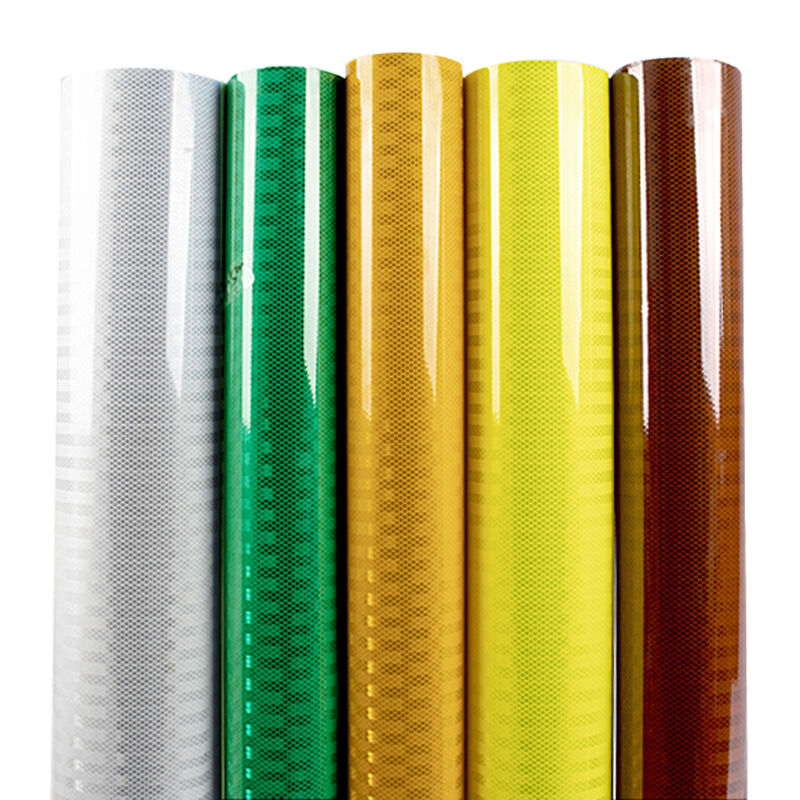
Retroreflective sheeting on a traffic sign works through embedded glass beads (ASTM Types I, II, III) or microprismatic optics (ASTM Types III, IV, VII, VIII, IX, XI). Glass-bead sheeting relies on spherical glass elements that focus and reflect light. Microprismatic sheeting uses molded cube-corner prisms returning a higher percentage of incident light at wider angles. Both degrade over time — UV radiation breaks down the polymer matrix, dirt and road grime block light, de-icing salt accumulates, and micro-crazing in the top film scatters light rather than returning it directionally. The US MUTCD established minimum maintained retroreflectivity levels in 2009, measured in candelas per lux per square meter (cd/lx/m²) at specified observation angles.
Real-World Case — A County Reduces Nighttime Crashes
A Midwest county transportation department managed approximately 12,000 regulatory and warning traffic sign assets across 900 miles of rural roads. Nighttime crash data showed 14 single-vehicle run-off-road incidents on curves over two years, 6 involving injury. A retroreflectometer assessment revealed that 22% of curve warning signs measured below MUTCD minimums, despite appearing legible during daytime inspections. The county replaced 340 non-compliant signs with ASTM Type XI microprismatic sheeting over six months. In the two years following replacement, nighttime run-off-road incidents on those curves dropped to 4 — a 71% reduction. The county implemented annual visual nighttime inspections and a four-year retroreflectometer re-measurement cycle.
Inspection Methods and Maintenance Intervals
Visual Nighttime Inspection vs. Retroreflectometer
The MUTCD recognizes two assessment methods. Visual nighttime inspection uses a trained inspector driving at posted speed, evaluating each traffic sign against a calibrated comparison panel — lowest cost, suitable for small agencies. A retroreflectometer provides calibrated numerical measurement in cd/lx/m², producing auditable data that eliminates subjectivity. It is preferred for larger agencies, litigious environments, and data-driven asset management. Signs at high-risk locations — curves, intersections, school zones — should be measured at shorter intervals.
Cleaning, Repair, and Replacement Best Practices
Cleaning That Restores Performance Without Damage
A dirty traffic sign can lose 20% to 40% of retroreflectivity before dirt is visible. Cleaning with a soft-bristle brush, mild detergent, and low-pressure water restores most of that loss at a fraction of replacement cost. Abrasive cleaners, stiff brushes, and pressure washers permanently damage the sheeting surface. Signs facing prevailing winds carrying agricultural dust or road salt should be cleaned annually or semi-annually. Sheeting peeling at edges and minor graffiti are repairable. Extensive delamination, cracking across more than 25% of the sign face, or retroreflectivity below 50% of the minimum level justify replacement. A replacement traffic sign should use the highest-grade sheeting the budget allows — the incremental cost of upgrading sheeting type is small relative to installation labor, and longer service life reduces future replacement frequency.
Building a Maintenance Program
Five Components of an Effective Plan
First, a complete sign inventory with location, type, sheeting grade, installation date, and last inspection date. Second, a defined inspection method with documented frequency by road classification. Third, a cleaning schedule based on environmental exposure. Fourth, a replacement framework addressing high-risk locations first — curves, intersections, school zones — before lower-risk segments. Fifth, a budget accounting for full lifecycle cost, including the labor cost of repeated replacement cycles that cheaper sheeting requires. A well-maintained traffic sign system is the lowest-cost form of nighttime road safety infrastructure available.
Frequently Asked Questions
How often should reflective traffic signs be inspected?
The MUTCD requires agencies to maintain sign retroreflectivity at or above minimum levels. Visual nighttime inspection should be annual for regulatory and warning signs. Retroreflectometer measurement on a 4-year cycle is typical for larger inventories, with higher-risk locations measured more frequently.
What causes a traffic sign to lose its reflectivity?
UV radiation degrades the polymer matrix. Dirt, grime, and de-icing salt block light. Micro-crazing in the top film scatters light. A traffic sign in harsh sun or heavy road-salt environments degrades faster than one in moderate conditions.
Can a dirty traffic sign be cleaned to restore reflectivity?
Yes. Mild detergent, soft-bristle brush, and low-pressure water can restore 20% to 40% of lost retroreflectivity on a dirty traffic sign. Abrasive cleaners and pressure washers permanently damage the sheeting and should never be used.
What is the difference between glass-bead and microprismatic sheeting?
Glass-bead sheeting uses embedded spherical glass elements (ASTM Types I-III). Microprismatic sheeting uses molded cube-corner prisms (ASTM Types III-XI), returning higher light percentages at wider angles with longer service life.
When should a traffic sign be replaced rather than cleaned?
A traffic sign should be replaced when retroreflectivity falls below 50% of the minimum level, sheeting delamination or cracking exceeds 25% of the face, or daytime legibility is impaired. Replacement signs should use premium sheeting to maximize service life.
What is the MUTCD requirement for sign retroreflectivity?
The MUTCD requires agencies to use an assessment or management method to maintain traffic sign retroreflectivity at or above Table 2A-3 minimums in cd/lx/m². Deadlines included four years from 2009 to implement methods, seven years for non-compliant regulatory and warning sign replacement, and ten years for street name and overhead guide signs.