
 EN
EN
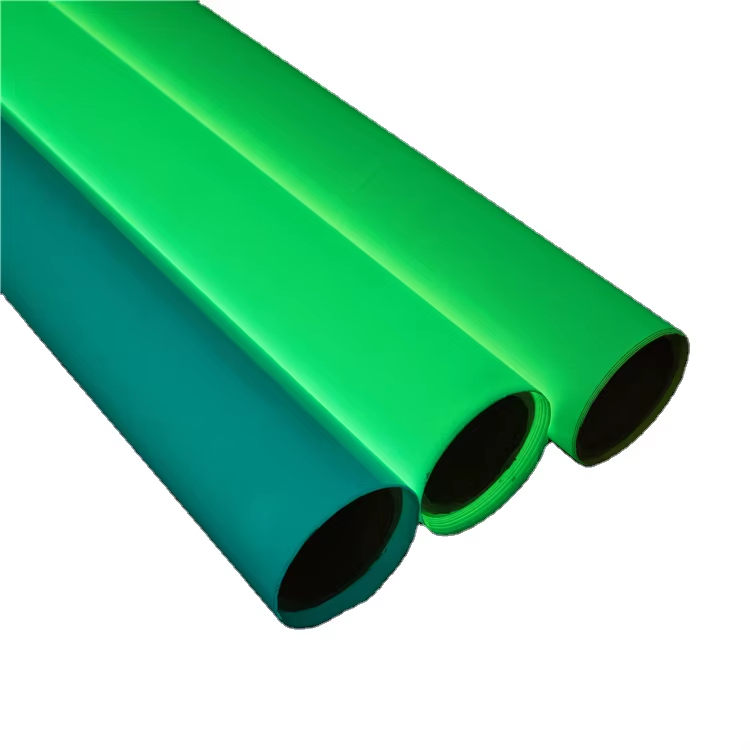
What Is Luminous Material and How Does It Glow?
Picture a hospital corridor during a sudden blackout—total darkness, no backup generator yet firing. But the floor path markers and wall strips continue to emit a soft green glow, guiding staff and patients toward exits. That is luminous material in action: a class of substances that absorb ambient light and release it slowly as visible glow, requiring zero electrical power.
The Science Behind Light Without Electricity
How Photoluminescence Actually Works
Luminous material operates on a principle called photoluminescence. When photons from sunlight, fluorescent lamps, or LED fixtures strike the material surface, electrons in the phosphor compound jump to a higher energy state. This is the charging phase—it takes anywhere from 5 to 30 minutes depending on light intensity. Once the external light source is removed, those excited electrons gradually return to their ground state, releasing the stored energy as visible light. This afterglow can persist from several hours to over 12 hours in high-grade products.
The critical compound in modern photoluminescent film is strontium aluminate doped with rare earth elements like europium and dysprosium. Older zinc sulfide formulations—still seen in cheaper products—produce a weaker, shorter-lived glow and degrade noticeably faster. Strontium aluminate, by contrast, delivers roughly 10 times the initial brightness and maintains useful visibility for 8 to 12 hours after a full charge. This is why ISO 17398 and ASTM E2072 reference specific luminance decay thresholds that only advanced rare-earth phosphors can meet.
Key Material Types That Determine Glow Duration
Not all luminous materials perform equally. Photoluminescent rigid sheets—often made from PVC or polycarbonate substrates embedded with phosphor layers—excel on flat surfaces like wall-mounted exit route signage and stair riser markers. Flexible photoluminescent films, typically PET-based with a printable top layer, conform to curved stair handrails, pipe markings, and irregular architectural surfaces. The latter is especially valuable in marine and industrial environments where rigid panels cannot follow structural curves. The phosphor loading density—measured in grams per square meter—directly correlates with afterglow duration: higher loading equals longer visible glow, but also higher cost.
Where Luminous Materials Make a Measurable Difference
Emergency Egress in Total Power Failure
During a full building evacuation, luminous material becomes the only reliable light source when both mains power and battery-backed emergency lighting fail. Low-location luminous pathway markings—placed no higher than 1.2 meters from the floor—remain visible below the smoke layer that rises during a fire. The International Building Code (IBC) and NFPA 101 Life Safety Code both recognize photoluminescent exit path markings as acceptable supplementary egress systems. Studies conducted by the National Research Council of Canada demonstrated that occupants evacuating through smoke-filled corridors followed luminous guidance strips 40% faster than those relying solely on overhead exit signs.
Real-World Case: Subway Tunnel Evacuation Upgrade
A transit authority in a Southeast Asian capital undertook a safety retrofit across 12 kilometers of underground metro tunnels. The original emergency lighting relied entirely on battery-powered fixtures that required quarterly maintenance and suffered from battery degradation within 3 years. After a risk assessment flagged several dead fixture zones during a scheduled drill, the authority replaced the lower-wall egress guidance with flexible photoluminescent film strips sourced from a Fujian-based reflective material manufacturer. Installation covered tunnel walls, maintenance walkways, and equipment alcoves, all without any wiring modifications. During a subsequent unannounced evacuation drill, passengers exited 35 seconds faster on average compared to pre-upgrade benchmarks, and maintenance teams reported zero replacement interventions over 18 months of continuous operation.
Factors That Influence Real-World Performance
Charging Light Spectrum and Intensity Requirements
Photoluminescent materials charge most efficiently under ultraviolet and blue-spectrum light—the very wavelengths abundant in fluorescent tubes and white LEDs. Standard office and industrial lighting at 200 to 500 lux provides adequate charging within 15 to 30 minutes. However, low-pressure sodium lamps—common in older warehouse and tunnel installations—emit almost exclusively yellow-orange light and charge phosphorescent materials poorly. Facilities using sodium lighting need either supplemental dedicated charging fixtures or a switch to broad-spectrum LED before luminous safety products can deliver rated performance.
Temperature, Humidity, and Longevity Considerations
High ambient temperatures accelerate the phosphor decay rate, meaning a luminous film installed in a Middle Eastern outdoor tunnel portal will lose brightness faster than the same product in a temperate indoor corridor. Humidity is a subtler factor—while the phosphor crystals themselves are moisture-stable, the PET or PVC substrate can delaminate if consistently exposed to condensation. This makes substrate selection as important as phosphor grade. High-quality photoluminescent products carry fire ratings such as BS 476 Class 0 or ASTM E84 Class A, ensuring the material itself does not contribute to flame spread during a fire event.
Smart Selection Criteria for Industrial Buyers
Matching Material Grade to Application Risk Level
For high-risk environments—offshore platforms, chemical processing plants, underground transit—buyers should specify products meeting ISO 17398 Class A or IMO Resolution A.752(18) for marine applications. These standards define minimum luminance decay curves at 10, 60, and 120 minutes post-charge. Mid-risk settings like commercial office stairwells can use Class B materials. Low-risk decorative or informational signage allows Class C or unrated products. Requesting a third-party test report showing luminance in millicandela per square meter (mcd/m²) at specified time intervals is standard due diligence for any volume purchase.
Installation Surface Compatibility Checklist
Not every luminous film adheres equally to every substrate. Painted gypsum board, raw concrete, powder-coated steel, and stainless steel each demand different adhesive formulations. Solvent-based acrylic adhesives hold well on rough concrete but may attack certain paint finishes. Silicone-based adhesives tolerate temperature cycling and vibration but show lower initial tack. A peel adhesion test on a sample panel—following ASTM D3330 Method A—should confirm at least 15 N/25mm adhesion before specifying any luminous material for a large project.
Frequently Asked Questions
What is the difference between luminous and reflective material?
Luminous material generates its own glow after absorbing light—it is an active light emitter in darkness. Reflective material only returns light when struck by an external source like vehicle headlights. Both are road safety essentials, but they serve fundamentally different failure modes: luminous covers total darkness scenarios while reflective handles low-visibility lighting conditions.
How long does photoluminescent film last before needing replacement?
High-grade strontium aluminate photoluminescent film from manufacturers like Fujian Sanhao Technology typically delivers 10 to 15 years of useful service life indoors. Outdoor installations degrade faster due to UV exposure and thermal cycling, generally lasting 5 to 7 years before luminance falls below regulatory thresholds. Regular luminance testing with a calibrated meter confirms when replacement is due.
Can luminous material be printed on?
Yes. Printable photoluminescent films accept UV-curable inkjet, screen printing, and thermal transfer printing. The phosphor layer sits beneath a transparent printable topcoat, so printed text and graphics appear clearly while the underlying glow layer remains functional. Manufacturing partners with 10+ years of reflective material experience, such as those in Fujian province, produce rolls up to 1.22 meters wide for large-format signage.
What standards apply to photoluminescent exit path marking?
Primary standards include ISO 17398 (Safety Way Guidance Systems), ASTM E2072/E2073 (Photoluminescent Safety Markings), and IMO Resolution A.752(18) for marine applications. NFPA 101 Section 7.2.2.5 and the IBC also recognize photoluminescent egress path markings as code-compliant when installed per manufacturer specifications and tested to minimum luminance thresholds.
Does luminous material require special maintenance?
Minimal maintenance—periodic cleaning with a damp microfiber cloth removes dust buildup that can block light absorption. Harsh chemical cleaners should be avoided as they degrade the substrate. Annual luminance testing with a calibrated photometer confirms continued compliance. Unlike battery-powered emergency lighting, luminous products require no electrical testing or battery replacement.
Where can reliable luminous material be sourced?
Reputable manufacturers with ISO 9001-certified production, such as Fujian Sanhao Technology, offer factory-direct photoluminescent films with full compliance documentation including RoHS, REACH, and relevant performance standards. Evaluating a supplier's test reports, production capacity, and export track record across 30+ countries provides confidence before placing volume orders.