
 EN
EN
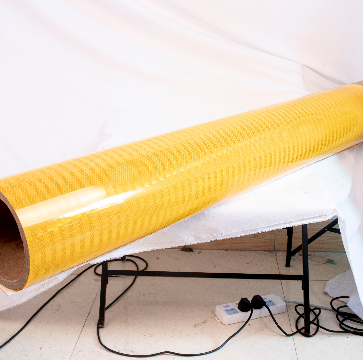
What Makes Reflective Products Truly Cost-Effective?
Engineer Grade vs. High Intensity vs. Diamond Grade: Balancing Retroreflectivity and Lifespan
Choosing the right reflective material starts with understanding how grade, retroreflectivity, and lifespan interact. Engineer grade sheeting delivers basic brightness (100–200 cd/lx/m²) and lasts 3–5 years—ideal for temporary traffic zones or low-risk applications. High intensity sheeting offers ≥250 cd/lx/m² and a 7–10 year service life, making it the standard for permanent signs and barriers where consistent nighttime visibility matters. Diamond grade exceeds 300 cd/lx/m² and endures 10+ years, delivering critical performance for high-speed highway signage where driver reaction time is measured in fractions of a second. The most cost-effective choice aligns upfront cost with required retroreflectivity and expected service life: specifying diamond grade for a short-term project inflates budget unnecessarily, while using engineer grade on a permanent highway sign compromises safety and triggers premature replacement.
Total Cost of Ownership: How Durability, Installation, and Maintenance Impact Long-Term Value
Initial purchase price is only one component of cost. A lower-cost engineer grade sheeting may require full replacement every 3–5 years, whereas high intensity or diamond grade can last two to three times longer—reducing labor, downtime, and disposal costs over time. Installation complexity also affects value: engineer grade typically applies easily with minimal surface prep, but diamond grade demands precise application techniques—often requiring trained installers—to prevent air entrapment, edge lifting, or adhesive failure that undermines its longevity. Maintenance adds another layer: higher-grade prismatic sheetings resist UV degradation, oxidation, and grime buildup more effectively, cutting cleaning frequency and preserving reflectivity. When factoring in replacement labor, traffic control during sign changes, and liability exposure from noncompliant or faded signage, total cost of ownership (TCO) consistently favors medium- to high-intensity grades for permanent installations. A comparative overview illustrates this balance:
| Grade | Initial Cost | Expected Lifespan | Typical Maintenance | 5‑Year TCO Estimate |
|---|---|---|---|---|
| Engineer | Low | 3–5 years | Moderate (cleaning, early replacement) | Medium |
| High Intensity | Medium | 7–10 years | Low | Low to medium |
| Diamond | High | 10+ years | Very low | Low (if high‑traffic) |
Selecting by TCO—not sticker price—ensures durable, compliant, and truly economical outcomes across all reflective applications.
Matching Reflective Sheetings to Application Needs
Traffic Drums, Barricades, and Channelizers: Selecting the Right Reflective Grade by Use Case
Roadway devices vary in exposure, permanence, and impact risk—so their reflective sheeting must match accordingly. Traffic drums, frequently moved and exposed to abrasion, perform best with high-intensity prismatic sheeting: it delivers strong retroreflectivity without the premium cost or installation sensitivity of diamond grade. Barricades—larger, more stable, and often deployed for months or years—benefit from diamond-grade materials that retain performance under sustained UV exposure and weather cycling. Channelizers, which guide vehicles through tight transitions and endure frequent contact, require both high durability and consistent reflectivity; here, high-intensity or diamond-grade sheeting (depending on deployment duration) ensures resilience against scuffing, moisture ingress, and thermal expansion. In all cases, verify compliance with ASTM D4956 for temporary traffic control devices—a foundational benchmark for performance and safety. Matching grade to function strengthens both operational reliability and long-term value.
Trusted Channels to Buy Reflective Products Cost-Effectively
Authorized Distributors: Certification, Warranty, and Bulk Procurement Advantages
Authorized distributors are the most reliable source for certified reflective sheeting—guaranteeing conformance to ASTM, EN, or DOT standards. They provide manufacturer-backed warranties covering premature fading, delamination, or adhesion failure, directly protecting your investment. For large-scale deployments—such as statewide signage programs or multi-site construction zones—bulk procurement through these channels unlocks volume discounts of 15–25%, while also granting access to technical support for adhesive selection, surface preparation guidance, and installation best practices. That expertise helps avoid common field errors like improper pressure application or substrate incompatibility, which can cut effective lifespan by up to 40%. This combination of compliance assurance, warranty protection, and applied know-how makes authorized distribution the optimal channel for mission-critical and high-volume reflective projects.
Reputable Online Marketplaces: Vetting for Genuine Reflective Materials and Compliance
Online marketplaces offer speed and pricing transparency for smaller orders—but demand careful vetting. Counterfeit or noncompliant sheeting remains prevalent, especially among listings lacking verifiable credentials. To buy confidently, prioritize vendors displaying “authorized reseller” badges, publishing full product datasheets, and citing third-party certifications (e.g., DOT approval, ASTM D4956 Class I/II/III classification). Third-party reviews should emphasize real-world durability and warranty responsiveness—not just delivery speed. Reputable platforms also enable direct comparison of key specs—like retroreflectivity values at observation angles (0.2°) and entrance angles (–4°)—helping you objectively match engineer grade to low-risk tasks and high intensity to permanent applications. Always confirm sellers list lot numbers and provide traceable documentation: genuine reflective materials are batch-tested and certified, not generic commodities.
FAQ Section
What is retroreflectivity, and why is it important?
Retroreflectivity refers to a material's ability to reflect light back toward its source, making signs and roadway devices visible at night. It is critical for ensuring safety by enhancing visibility in low-light conditions.
How do I decide between engineer grade, high intensity, and diamond grade sheeting?
The choice depends on application requirements. Engineer grade is best for temporary or low-risk uses, high intensity for permanent visibility, and diamond grade for demanding, high-speed areas needing maximum reflectivity.
What factors affect the total cost of ownership (TCO) for reflective products?
Key factors are lifespan, installation complexity, maintenance needs, and liability risks associated with faded or noncompliant signage.
Why should I buy reflective products from authorized distributors?
Authorized distributors ensure genuine products with certifications, warranties, and bulk discounts. They also provide technical support to optimize installation and adherence.
How can I verify the quality of reflective sheeting when purchasing online?
Check for vendor credentials (e.g., “authorized reseller” badges), verify certifications, and review third-party feedback emphasizing product durability and compliance standards.
Table of Contents
- What Makes Reflective Products Truly Cost-Effective?
- Matching Reflective Sheetings to Application Needs
- Trusted Channels to Buy Reflective Products Cost-Effectively
-
FAQ Section
- What is retroreflectivity, and why is it important?
- How do I decide between engineer grade, high intensity, and diamond grade sheeting?
- What factors affect the total cost of ownership (TCO) for reflective products?
- Why should I buy reflective products from authorized distributors?
- How can I verify the quality of reflective sheeting when purchasing online?