
 EN
EN
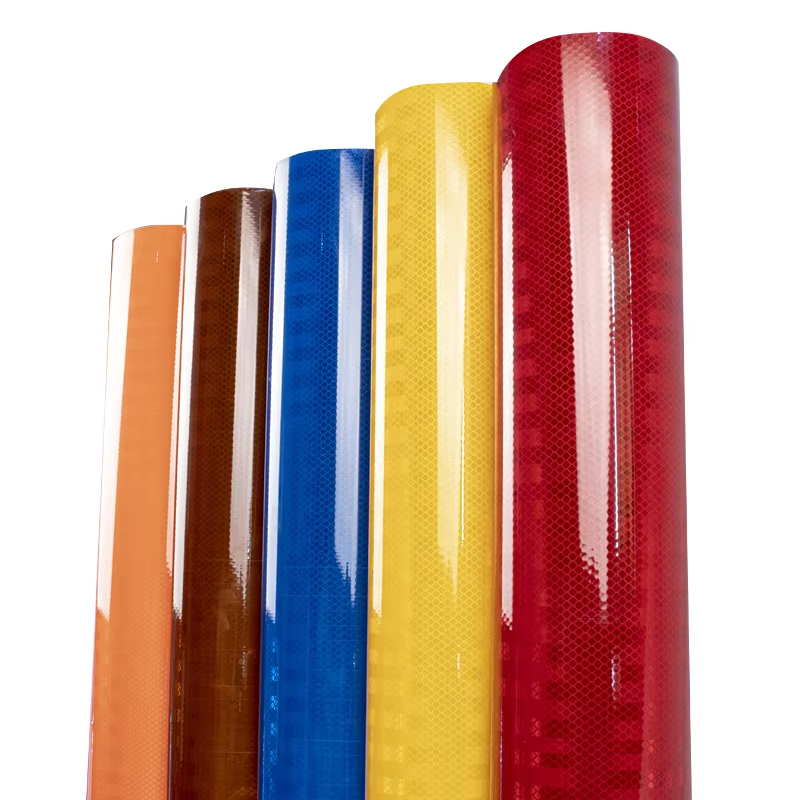
UV Resistance and Photostability of Reflective Roll
Degradation Pathways in the Reflective Polymer Matrix Under UV Exposure
Three separate mechanisms of chain scission, photo-oxidation, and cross-linking in reflective roll materials caused by UV radiation, accounts for photochemical degradation of the materials. The chain scission mechanism leads to the loss of molecular weight, causing the material to become brittle. Then, there is photo-oxidation of the polymer matrix that forms a carbonyl group that absorbs more UV energy that causes more yellowing and more photo-oxidation degradation. The chain scission and photo-oxidation of the polymer matrix leads to further cross-linking of the polymer that causes more photo degradation by becoming more rigid and causing microcrack formation. These processes, collectively, can lead to up to 40% loss of solar reflectivity with prolonged exposure, which was confirmed with accelerated aging studies. The degradation occurs at distinct stages: beginning with surface oxidation at 500-1,000 MJ/m² UV dose, then changes in bulk properties are fully developed by 1,500-2,000 MJ/m², and beyond 3,000 MJ/m² critical failure is observed, which includes delamination and cracking of materials.
Role of UV Stabilizers and Reflective Pigments in Extending Service Life
Inhibiting the development of photochemical degradation includes the use of light stabilizers, the UVAs and the HALS. The HALS stabilize through scavenging the free radicals in the photo-oxidation and UVAs absorb the energy from the UV radiation and the transformed energy is harmless. Photo stabilization is also improved by the use of titanium dioxide and high refractive index reflective pigments that help scatter the UV and visible light which reduces the overall light by 60-80% that penetrates deep into the polymer matrix. Stabilized formulations last 3-5 times longer than the formulations without stabilizing. In temperate climates, suitably stabilized reflective rolls maintain >90% initial reflectivity after five years, and a decrease in surface temperatures by 15-20°C reduces the thermal stress on the substrates beneath.
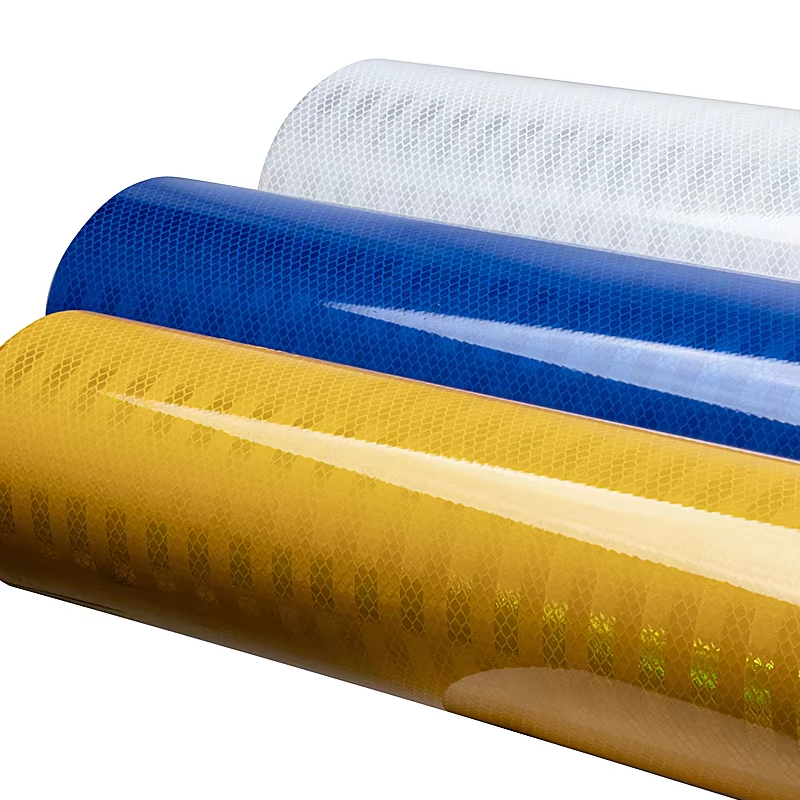
Moisture and Thermal Cycling Effects on Reflective Roll Durability
Blistering and Delamination Mechanisms at the Filler-Polymer Interface
Moisture and thermal cycling compromise the integrity of fillerm-polymer interfacial bonding. At the interface, moisture causes hydrolysis and eventually weakens bond adhesion. Combined with hydrostatic forces, polymer interface adhesion results in blistering, while low viscous polymer at the interface results in delamination. Composites Reveal that improvised interfaces can even lose about 40% of their adhesion strength with merely 50 thermal cycles, hugely catalyzing structural failure.
Microcrack Formation and Propagation During Wet-Dry and Freeze-Thaw Cycles
Wet/dry and freeze-thaw cycling lead to the creation and the propagation of microcracks that degrades both the optics and the structural integrity of Reflective Rolls. During the wet/dry cycle, moisture causes the polymer to swell, and the subsequent drying causes microcracks. Freeze-thaw cycling intensifies this effect, causing the freezing of water trapped within the microcracks and microcrack propagation due to the freeze-thaw cycling. An effect of the freeze-thaw cycling and moisture absorption is microcracking of the Reflective Rolls, degradation of the Reflective Roll, degradation of the Reflective Roll, and loss of the Reflective Roll. These test results have shown that hygrometric and thermal cycling due the increase of the defect propagation within the field failures of the product.
Failure Mechanism Moisture Dominance Effect Thermal Cycling Effect
Blistering Cause Water vapor pressure Polymer contraction containing vapor
Delamination Trigger Hydrolytical degradation of the bond Differential contraction across the different thermal regions
Crack Propagation Swelling and then cracking stress Pressure due to crystallization I
Accelerated Aging Validation and Real-World Weatherability Correlation
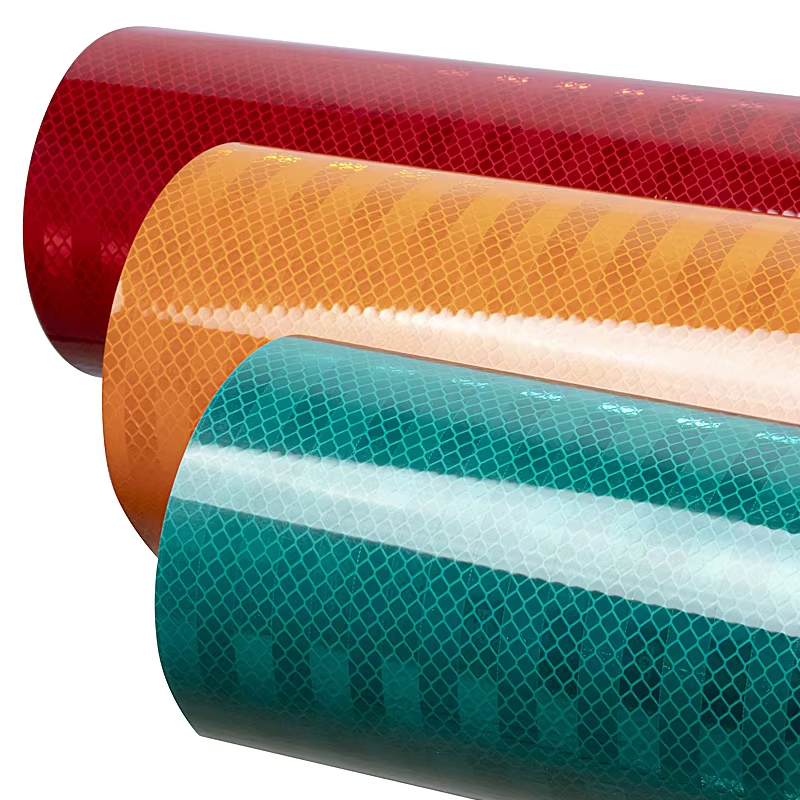
QUV versus Field Performance Data for Reflective Roll
QUV testing chambers employ UV lights to produce the equivalent of decades of UV exposure in months along with the use of condensation to mimic rain. While these testing chambers do an excellent job of producing repeatable results, they are incapable of modeling erosion and degradation factors such as salt-laden fog, airborne pollutants, biological growth, and the placement and angle of the sun. Field testing has demonstrated that things such as the degradation of coated materials vary depending on their geographical placement. Field data show variations in the degradation of coastal versus inland coated materials, with coastal install degradation rates of approximately 18% faster than inland units. Likewise, Phoenix, Arizona recorded a 23% variation in south versus north reflectance, which shows a significant difference in standard chamber orientation. Due to the fact QUV testing does not include biological and mechanical factors in the operating environment, leading manufacturers must employ regional adjustment factors to their warranties and projected product life.
Benchmarking Building Grade Reflective Rolls with ASTM E1980 and ISO 4892-3
Building-grade reflective roll must meet the dual validation standards of ASTM E1980 and ISO 4892-3. ASTM E1980 quantifies the decline of solar competence over time, and ISO 4892-3 determines the polymer embrittlement caused by the xenon-arc test. Validation statistics must meet the following when exposed to 3,000 xenon-arc hours: ≤ 5% loss of solar reflectance, no adhesive loss caused by thermally induced delamination the adhesive, and no loss of performance of peel adhesion along the 90 peel adhesion line. Compliance must also be verified with humidity cycles per the ISO 9142. Compliance with this joint standard, in the temperate climates, implies a forecasted service life of 15 years. Tropical environments must consider additional factors, including hydrolysis, high humidity, and mold resistance, none of which are addressed in the base ASTM and ISO standards.
FAQs
What causes reflective rolls to degrade after UV exposure?
UV reflective roll degradation is due to chain scission, photo-oxidation, and chain cross-linking.
What do HALS additives and reflective pigments do?
HALSs and UVAs are UV additives that block the formation of free radicals and absorb UVR, while reflective pigments such as titanium dioxide strengthen the polymer and reflect UV radiation away.
What benchmarks are used to assess reflective roll performance?
For building-grade applications, the durability of reflective rolls is justifiably demonstrated by ASTM E1980 and ISO 4892-3 standards that examine solar reflectance decay and polymer embrittlement respectively.